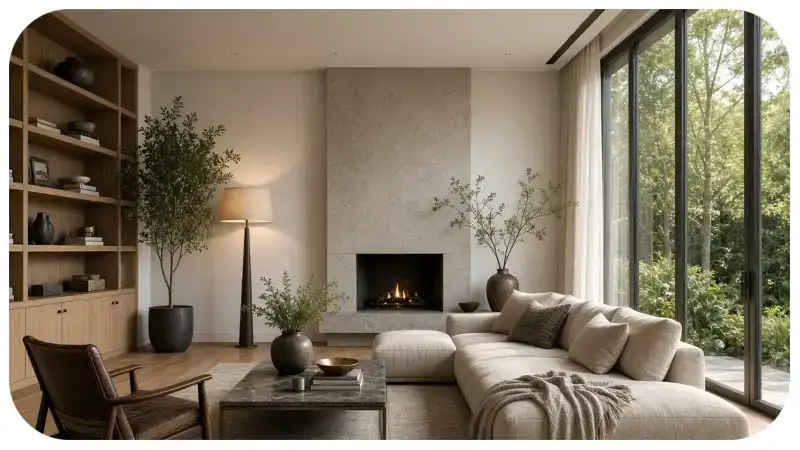
A refined home doesn’t have to resemble a showroom to feel luxurious. The interiors people remember most often carry a personal touch. They feel cozy, well-organized, purposeful, and deeply connected to those who inhabit them.
LuxuryInteriorsOrg offers a helpful lens for examining this modern understanding of luxury. Rather than defining luxury as an accumulation of expensive items, it can be understood as a design philosophy centered on quality, mood, ease, and personal expression.
Whether the space is a small apartment or a spacious family home, the same rule holds: design should enhance daily living while giving the space its own unique character.
Luxury Begins With How a Room Feels
Two rooms furnished with similarly priced pieces can still create entirely different impressions. One might feel serene and inviting, while the other could seem cluttered or disjointed.
The distinction usually lies in details that are easy to miss.
Where furniture is placed shapes conversation and flow. Window position determines natural light. Ceiling height alters perceived scale. Textiles impact comfort. Even how far apart decorative items sit can influence how tidy a room looks.
This is why thoughtful interior design starts with the experience people should have within the space.
A restful bedroom calls for a different mood than a lively kitchen. A formal dining area might benefit from bolder visual impact, whereas a family room typically requires resilience and coziness.
Let the Architecture Guide the Design
One of the most effective ways to achieve a refined outcome is to collaborate with the existing structure rather than work against it.
Architectural elements like expansive windows, visible beams, fireplaces, tall ceilings, alcoves, and irregular wall shapes can become assets in the design.
For instance, a towering wall doesn’t need to be filled with countless decorations. A single oversized artwork, a vertical shelving unit, or a thoughtfully planned lighting scheme may create greater impact.
Similarly, a room blessed with abundant natural light can feature furniture and materials that adapt to shifting brightness throughout the day.
Architecture sets the foundation. Furniture and décor should complement it, not rival it.
Develop a Cohesive Material Narrative
A luxury interior becomes more compelling when its materials relate to one another.
Rather than selecting each finish in isolation, think about the home’s overall material story.
Warm oak might appear in floors or cabinets. That same warmth could carry through leather seating or woven fabrics. A stone element can add contrast, while metallic accents offer a subtle modern edge.
This method builds continuity without making every room look the same.
Materials must also match their function. A family kitchen needs surfaces that withstand daily wear, while a decorative console can feature more delicate finishes.
Quality design thus balances aesthetics with practicality.
Let Color Reflect Your Personality
There is no single luxury color scheme.
Cream, taupe, charcoal, brown, olive, navy, terracotta, muted blue, and countless other hues can all work beautifully when chosen deliberately.
What matters is how colors relate to each other.
A neutral space can gain character through a single deeper tone in an armchair or rug. A vibrant room can stay elegant when bold shades are offset by calmer surfaces.
Another effective strategy is choosing colors based on the room’s intended mood.
Gentle earthy tones promote relaxation in bedrooms. Richer shades build intimacy in dining areas. Lighter combinations help smaller rooms feel more spacious.
Luxury isn’t about steering clear of color. It’s about using it with purpose.
Use Furniture to Define Character
Furniture is among the most powerful tools for establishing a room’s identity.
Rather than buying a complete matching set, try mixing pieces with varied shapes and origins. A modern sofa can sit comfortably beside a vintage side table. A classic wooden cabinet may look striking under contemporary art.
This approach builds a layered space instead of a predictable furniture grouping.
Proportion matters just as much.
A large sectional can overwhelm a small living room, while tiny pieces can leave a big space feeling vacant. Before investing in anything significant, measure the room and think about how people will navigate around the furniture.
A truly sophisticated room should feel effortless to use, not staged solely for photos.
Incorporate Storage Into the Design
Storage rarely gets called glamorous, yet outstanding storage can dramatically improve a home’s appearance.
When cords, appliances, clothing, documents, and random items are always on display, even costly décor can lose its effect.
Built-in cabinets, concealed drawers, floor-to-ceiling cupboards, storage benches, and well-planned closets can keep daily necessities tidy.
The aim isn’t to conceal everything. Open shelving can showcase books, ceramics, art, plants, and personal treasures. The key is deciding what merits visual focus and what should stay tucked away.
This equilibrium makes a home feel more serene without stripping away personality.
Plan Lighting Before Finishing the Décor
Lighting warrants attention far earlier than most homeowners anticipate.
A room may have gorgeous furniture yet still feel unpleasant if the lighting is too harsh, too cool, or badly placed.
Consider three practical questions:
What requires illumination?
Reading nooks, kitchen counters, mirrors, desks, and dining tables may need directed light.
What should draw the eye?
Artwork, architectural details, shelving, and textured walls can benefit from accent lighting.
What ambiance should prevail after dark?
This is where softer lamps, wall sconces, indirect light, and dimmable fixtures prove their worth.
Lighting should evolve with how the room is used. A bright kitchen may need strong task lighting during cooking, while the same area can feel cozier in the evening with lower-level illumination.
Add Items That Carry Meaning
A luxurious home shouldn’t feel impersonal.
Personal belongings can make an interior far more captivating. Books, photos, art, travel souvenirs, ceramics, handmade pieces, family heirlooms, and collections all add to a room’s character.
The most effective displays typically include some open space. If every shelf is packed, individual items lose their significance.
Try arranging objects by height, material, color, or function. Leave small gaps between groupings so each arrangement can be fully appreciated.
This method makes décor feel curated rather than haphazardly bought.
Design for All the Senses
Interior design goes beyond the visual.
Consider what someone hears, touches, and feels upon entering the home.
Soft curtains and rugs can minimize unwanted echoes. Upholstered furniture can enhance comfort. Natural wood and textured fabrics add tactile appeal. Plants bring a touch of nature indoors.
Even temperature and air quality shape how a room is experienced.
These details may not show up in an interior photo, but they play a major role in whether a home genuinely feels luxurious.
Small Spaces Can Be Sophisticated Too
Luxury isn’t reserved for large homes.
In a smaller apartment, smart planning can matter more than the size of the budget.
Select furniture that suits the room’s proportions. Use vertical storage where it makes sense. Keep walkways unobstructed. Avoid purchasing too many decorative items.
Mirrors can help bounce light, while consistent flooring or related colors can visually tie adjacent areas together.
Multi-functional furniture can also help. A storage ottoman, extendable dining table, or built-in desk adds utility without crowding the room.
A compact space becomes elegant when every piece earns its place.
Outdoor Areas Are Part of Modern Luxury
The line between indoor and outdoor living has grown increasingly significant in contemporary homes.
Patios, balconies, terraces, gardens, and outdoor kitchens can expand usable living space.
Comfortable seating, weatherproof fabrics, greenery, suitable lighting, and shade can transform an unused exterior into a true extension of the home.
The best designs often link outdoor and indoor zones through complementary materials or colors. This creates a seamless transition between the two.
Sustainable Choices Can Feel Premium
Luxury and sustainability need not be at odds.
Durable furniture, ethically sourced materials, energy-efficient lighting, long-lasting finishes, and repairable products reflect a more considered design approach.
Buying fewer high-quality pieces can also break the cycle of constantly replacing cheap furniture.
There’s another benefit: materials with natural variation often possess more character than mass-produced surfaces engineered to look uniform.
Slight differences in wood grain, stone patterns, or handmade ceramics can make an interior feel more unique.
Steer Clear of Common Luxury Design Pitfalls
Trying too hard to make a home look expensive can backfire.
A frequent mistake is using too many statement pieces simultaneously. If every chair, lamp, wall, and accessory is designed to demand attention, the room becomes visually draining.
Another issue is neglecting comfort.
Furniture that looks stunning but feels unpleasant to use will soon become a source of irritation.
Inadequate lighting, insufficient storage, oversized furniture, excessive matching, and ignoring the room’s architecture can also undermine an otherwise costly design.
The answer is usually editing. Remove what doesn’t add value, enhance what matters, and let the strongest elements shine.
How to Approach a Luxury Interior Project
Before buying anything, establish a simple design direction.
Begin by identifying:
-
The function of each room
-
The people who will use it
-
Existing architectural features
-
Preferred colors
-
Required storage
-
Lighting conditions
-
Furniture needs
-
Budget priorities
-
Materials suited for daily use
Then determine where the budget matters most.
For one homeowner, investing in a high-quality sofa may be the priority. For another, custom cabinetry or improved lighting may offer greater value.
There’s no universal formula because every home and lifestyle differs.
Why Personal Taste Outweighs Trends
Interior trends can inspire, but chasing every popular style can make a home feel fleeting.
A better approach is to adopt trends selectively.
If curved furniture is in vogue, choose a shape you genuinely love. If natural materials are trending, incorporate them because they suit your home, not because they dominate design magazines.
The objective is to create an environment that still feels right years down the line.
That is one of the hallmarks of thoughtful luxury: it doesn’t rely entirely on what happens to be fashionable at the moment.
Frequently Asked Questions
What does LuxuryInteriorsOrg focus on?
LuxuryInteriorsOrg can serve as a resource concept for exploring refined home interiors, contemporary décor ideas, materials, furniture, lighting, and approaches to sophisticated residential design.
Does a luxury interior have to be expensive?
No. Budget matters, but thoughtful planning can have an even greater impact. Appropriate scale, good lighting, organization, quality finishes, and carefully selected furniture can significantly improve a home’s appearance.
What makes a home feel more luxurious?
A blend of comfort, organization, cohesive materials, suitable lighting, attractive proportions, personal decoration, and quality craftsmanship can create a refined atmosphere.
How can I make my home look elegant without remodeling?
Start with decluttering and furniture placement. Improve lighting, add suitable textiles, replace a few weak decorative pieces, introduce artwork, and organize visible storage. These changes can have a noticeable effect without major construction.
Are neutral colors necessary for luxury interiors?
Not at all. Neutral palettes are popular because they are versatile, but sophisticated interiors can also include rich greens, blues, browns, burgundy, or other carefully controlled colors.
Final Thoughts
The meaning of luxury interiors has evolved. A sophisticated home is no longer defined simply by enormous rooms, expensive finishes, or highly decorative furniture.
Today, luxury can be found in a comfortable chair, beautifully controlled lighting, intelligently planned storage, a handcrafted object, a well-proportioned room, or a material that becomes more attractive with age.
That is the broader idea behind LuxuryInteriorsOrg: creating spaces where design quality and everyday life support each other.
The best interior is ultimately not the one that looks the most expensive. It is the one that feels considered, comfortable, personal, and enduring every time you walk through the door.