
 By Alexandar
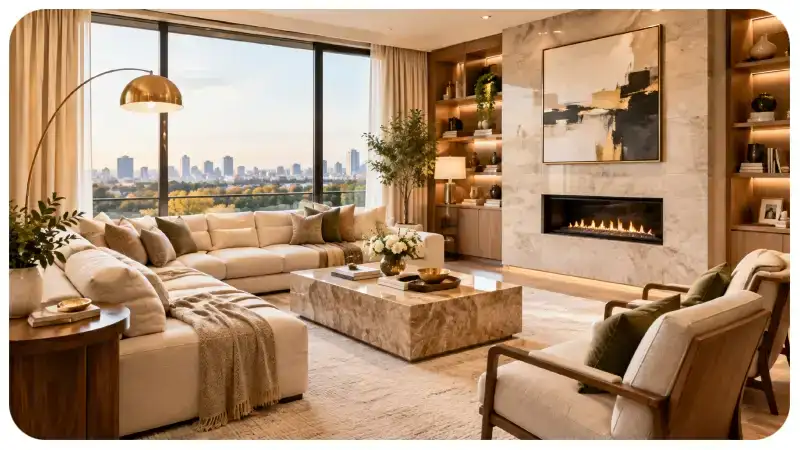
Creating a beautiful home is about more than buying expensive furniture or choosing fashionable colors. A well-designed space should feel comfortable, reflect your personality, and make everyday life more enjoyable. From elegant living rooms to peaceful bedrooms, thoughtful interior design can transform an ordinary house into a place that feels special.
TheLuxuryInteriors.org is a keyword that connects naturally with the world of luxury interiors, modern home decoration, and sophisticated living spaces. For homeowners looking for inspiration, understanding the principles of luxury design can help them make better decisions about furniture, lighting, colors, materials, and room layouts.
Whether you live in a spacious American home, a modern apartment, or a small townhouse, you can create an elegant interior without spending a fortune. The secret is to focus on quality, balance, functionality, and personal style rather than simply following expensive trends.
In this guide, we explore practical luxury interior design ideas, popular decorating approaches for 2026, and simple ways to make your home look more refined.
What Is Luxury Interior Design?
Luxury interior design is an approach to decorating that combines visual appeal, comfort, quality materials, and thoughtful planning. It focuses on creating spaces that look attractive while supporting the needs of the people who use them.
Traditional luxury interiors often feature marble surfaces, premium wood, designer furniture, decorative lighting, and carefully selected artwork. However, modern luxury can also be simple and understated. A room with natural textures, comfortable seating, beautiful lighting, and an uncluttered layout can feel just as sophisticated as a room filled with expensive decorations.
The most important elements include:
- Quality: Materials and furniture should be selected for their appearance, durability, and usefulness.
- Comfort: Seating, lighting, temperature, and room layout should support everyday living.
- Balance: Colors, furniture sizes, and decorative objects should work together.
- Personality: Artwork, photographs, books, and meaningful objects should reflect the homeowner’s taste.
- Functionality: Every room should serve its intended purpose without unnecessary clutter.
These principles help create interiors that remain attractive beyond a single decorating season.
Why TheLuxuryInteriors.org Is a Relevant Interior Design Keyword
People interested in luxury home decoration often search online for room inspiration, furniture ideas, material comparisons, and practical decorating advice. The keyword theluxuryinteriors.org can be used in content exploring these interests.
A useful article associated with this keyword should offer readers more than general statements about expensive homes. It should explain how design choices work, which materials suit different rooms, and how homeowners can achieve a polished appearance within their budgets.
Topics related to luxury interiors may include contemporary living rooms, elegant bedroom designs, modern kitchens, bathroom renovations, lighting arrangements, and outdoor living spaces.
For readers, the real value lies in finding ideas they can adapt to their own homes. A well-planned design does not need to copy a photograph exactly. Instead, it should use inspiration as a starting point for creating a comfortable and individual space.
Modern Luxury Interior Design Trends for 2026
Interior design preferences continue to evolve, but several approaches offer lasting inspiration for homeowners.
1. Warm Minimalism
Minimalism remains an appealing choice for people who prefer clean, organized spaces. Warm minimalism adds softer textures, natural materials, and inviting colors to the traditional minimalist style.
Instead of filling a room with decorative accessories, choose a few carefully selected pieces. A comfortable sofa, a textured rug, a wooden coffee table, and subtle artwork can create a complete living room.
Cream, beige, warm gray, and soft brown are useful starting points. These shades can make a space feel calm without appearing cold or empty.
2. Natural Materials
Natural materials introduce depth and character into an interior. Wood, stone, linen, wool, and handmade ceramics can create a connection between indoor spaces and the natural world.
For example, a living room might combine oak furniture, linen curtains, a stone side table, and a wool rug. The different textures create visual interest without requiring bright colors or elaborate decorations.
When choosing materials, consider maintenance requirements. Some natural stones need regular sealing, while delicate fabrics may not suit busy family homes.
3. Sculptural Furniture
Furniture can function as both a practical item and a decorative feature. Rounded sofas, curved chairs, distinctive coffee tables, and unusual side tables can give a room a recognizable identity.
However, statement furniture should fit the available space. Before purchasing a large item, measure the room and check that people can move comfortably around it.
One distinctive piece is often more effective than filling the room with several competing designs.
4. Layered Lighting
Lighting has a significant effect on how an interior looks and feels. A single ceiling fixture may illuminate a room, but it rarely provides every type of lighting the space needs.
A more flexible arrangement combines three layers:
- Ambient lighting for general illumination.
- Task lighting for activities such as reading, cooking, or working.
- Accent lighting to highlight artwork, architectural details, or decorative objects.
Table lamps, wall sconces, pendant lights, and dimmable fixtures can help create different moods throughout the day.
5. Personalized Interiors
A beautiful home should not feel like an anonymous furniture showroom. Personal details make interiors more meaningful and memorable.
Family photographs, original artwork, travel souvenirs, inherited furniture, and favorite books can all contribute to a room’s character.
Arrange these items thoughtfully, leaving enough space around them to prevent visual clutter. The goal is to create a polished environment that still feels personal.
How to Create a Luxurious Living Room
The living room is often one of the most frequently used areas of an American home. It may serve as a place for relaxing, watching television, entertaining guests, or spending time with family.
Start by choosing a layout that supports these activities. Position seating so that conversation feels natural and walkways remain clear.
A well-proportioned sofa can serve as the main focal point. Add complementary chairs, a suitable coffee table, and a rug that visually connects the seating arrangement.
Color coordination is also important. Neutral upholstery works well with wood finishes, textured cushions, and carefully selected accent colors. If the room feels too plain, introduce contrast through artwork, curtains, or a distinctive chair.
Avoid purchasing furniture simply because it looks impressive in a showroom. Measure the available area first, and prioritize pieces that provide both comfort and durability.
Finally, organize cables, remote controls, and everyday objects. Hidden storage can help maintain a neat appearance without making the living room feel impersonal.
Elegant Bedroom Ideas for a Relaxing Home
A luxurious bedroom should encourage rest and relaxation. Instead of concentrating only on decoration, consider how the room feels at the beginning and end of each day.
Begin with a comfortable mattress and supportive bedding. Soft cotton, linen, and other suitable textiles can improve the overall experience of the room.
A coordinated color palette can create a peaceful atmosphere. Warm white, muted green, soft beige, and gentle blue are possible choices, depending on your preferences.
Lighting deserves equal attention. Bedside lamps provide convenient illumination for reading, while dimmable ceiling lights allow you to adjust brightness in the evening.
Keep the bedside area organized and avoid overcrowding the room with furniture. If space permits, a comfortable chair or small reading corner can add functionality.
Blackout curtains may also be useful for people who prefer a darker sleeping environment.
The result should be a bedroom that looks attractive while remaining practical and comfortable.
Modern Kitchen Design That Combines Beauty and Function
The kitchen requires careful planning because it supports several activities at once. Cooking, food preparation, cleaning, storage, and socializing all influence how the room should be designed.
Luxury kitchen design begins with an efficient layout. Work surfaces should provide enough room for preparation, and frequently used items should be easy to reach.
Cabinetry has a major influence on the kitchen’s appearance. Simple cabinet fronts, well-planned storage, and coordinated hardware can create a refined look. Wood finishes introduce warmth, while stone or stone-look countertops provide a contrasting surface.
Lighting should illuminate work areas clearly. Under-cabinet lights can help reduce shadows on countertops, while pendant fixtures may add character above an island or dining area.
Choose finishes according to your lifestyle. A busy household may benefit from durable, easy-to-clean surfaces rather than delicate materials that require constant maintenance.
A successful kitchen is not simply attractive. It makes everyday tasks easier and uses the available space intelligently.
Luxury Bathroom Design on a Practical Budget
Bathrooms can feel more sophisticated through a few carefully chosen improvements. A complete renovation is not always necessary.
Start with cleanliness and organization. Remove unnecessary items from countertops and use storage solutions to keep toiletries accessible but tidy.
Updated mirrors, coordinated towel colors, attractive lighting, and modern cabinet hardware can improve the overall appearance. If the existing finishes are in good condition, retaining them may save money.
For larger renovations, consider how the materials will perform in a humid environment. Water-resistant finishes, suitable ventilation, and correctly installed fixtures are important for long-term durability.
Neutral tiles, textured surfaces, and simple accessories can create a calm atmosphere. A small plant or carefully selected decorative item may add personality, provided it suits the room’s conditions.
The best bathroom designs balance appearance, hygiene, safety, and ease of maintenance.
How to Make a Home Look Expensive Without Overspending
Luxury design does not require an unlimited budget. Small improvements can make a noticeable difference when they address the right priorities.
Declutter Before Buying Anything
A crowded room can look disorganized even when its furniture is expensive. Remove items that no longer serve a purpose and organize the belongings you use regularly.
Improve the Lighting
Replace unsuitable bulbs with options that provide comfortable illumination. Add a table lamp or floor lamp where appropriate, and use task lighting in areas that need greater visibility.
Choose a Consistent Color Palette
Select two or three main colors and introduce additional shades through accessories. This approach helps different elements feel connected.
Invest in Key Furniture
Prioritize items that receive frequent use, such as sofas, mattresses, dining chairs, and beds. Compare construction, materials, warranties, and comfort before making a purchase.
Add Texture
Cushions, curtains, rugs, wooden accessories, and textured throws can make a room feel more layered. Combine materials thoughtfully rather than buying everything in matching sets.
Display Artwork Carefully
A single well-positioned artwork can create a focal point. Make sure its size suits the wall and that it relates to the surrounding colors and furniture.
These improvements can help homeowners achieve an elegant appearance while keeping spending under control.
Common Interior Design Mistakes to Avoid
Even expensive materials cannot guarantee a successful interior. Several common mistakes can make a room less attractive or less comfortable.
Choosing furniture that is too large: Oversized sofas and tables can block walkways and make small rooms feel crowded.
Using too many statement pieces: When every object competes for attention, the overall design loses focus.
Ignoring storage: Visible clutter can undermine an otherwise carefully decorated space.
Following every trend: Popular styles change, so avoid buying furniture that does not suit your long-term preferences.
Neglecting lighting: Poor lighting can make attractive colors and materials look different from how they appear in natural daylight.
Prioritizing appearance over comfort: Furniture should support the activities that take place in the room.
Avoiding these mistakes helps create a more balanced and practical home.
Sustainable Choices for Contemporary Luxury Interiors
Sustainability can be part of a sophisticated design strategy. Instead of replacing furniture frequently, consider purchasing durable pieces that can serve you for many years.
Refurbished furniture, vintage accessories, responsibly sourced wood, energy-efficient lighting, and repairable products may help reduce waste.
Before buying new items, consider whether existing furniture can be repaired, refinished, or rearranged. A wooden cabinet might look completely different after refinishing, while new upholstery can give an older chair a fresh appearance.
It is also important to consider product quality and suitability rather than relying solely on marketing labels. Check material information, maintenance instructions, and manufacturer details when comparing products.
Thoughtful purchasing decisions can support both long-term value and a more personal interior style.
How to Plan Your Interior Design Project
Before beginning a room makeover, establish a clear plan.
First, identify the room’s purpose and the people who will use it. A family living room has different requirements from a formal sitting area or a home office.
Next, measure the space, including windows, doors, and existing fixtures. Create a simple floor plan to test furniture arrangements before making purchases.
Set a realistic budget and divide it into priorities. Essential repairs, comfortable furniture, and appropriate lighting may deserve attention before decorative accessories.
Collect inspiration from design websites, magazines, and completed projects. Look for recurring colors, materials, and layouts that appeal to you, but adapt them to your own space.
Finally, make decisions gradually. Buying everything at once can lead to expensive mistakes. Allow time to evaluate the room and identify what it actually needs.
Frequently Asked Questions
What is TheLuxuryInteriors.org?
TheLuxuryInteriors.org is a domain-based keyword relevant to online content about luxury interior design, elegant home decoration, contemporary architecture, furniture, and sophisticated living spaces. Readers should review the website itself for its current content and offerings.
How can I make my home look luxurious?
Begin with a clean layout, suitable lighting, coordinated colors, comfortable furniture, and quality-looking materials. Organized storage and a few meaningful decorative items can also improve the overall appearance.
What colors work well in luxury interiors?
Cream, beige, warm gray, brown, olive green, navy, and muted blue can all work well. The best combination depends on the room’s lighting, architecture, furniture, and intended atmosphere.
Is luxury interior design suitable for small homes?
Yes. Small homes can benefit from carefully selected furniture, vertical storage, mirrors, layered lighting, and uncluttered layouts. Good space planning matters more than the size of the property.
Which room should I decorate first?
Start with the room that has the greatest impact on your daily life or needs the most improvement. For many households, this may be the living room, bedroom, or kitchen.
How can I keep my interior design timeless?
Choose furniture that suits your needs, select durable materials, and use current trends as accents rather than making them the foundation of the entire design. Personal taste and practicality should guide long-term decisions.
Conclusion
Luxury interior design is about creating a home that combines comfort, functionality, and visual appeal. Expensive furniture can contribute to an elegant room, but thoughtful planning, suitable lighting, balanced colors, and meaningful details are equally important.
The ideas associated with TheLuxuryInteriors.org provide a useful starting point for exploring contemporary home decoration and sophisticated living. From warm minimalist living rooms to carefully organized kitchens and peaceful bedrooms, small, deliberate decisions can transform the way a home looks and feels.
You do not need to renovate every room or purchase the most expensive products to achieve a refined result. Start with your priorities, work within your budget, and choose designs that reflect your personality.
Ultimately, the most successful luxury interior is one that looks beautiful, feels comfortable, and continues to meet your needs for years to come.