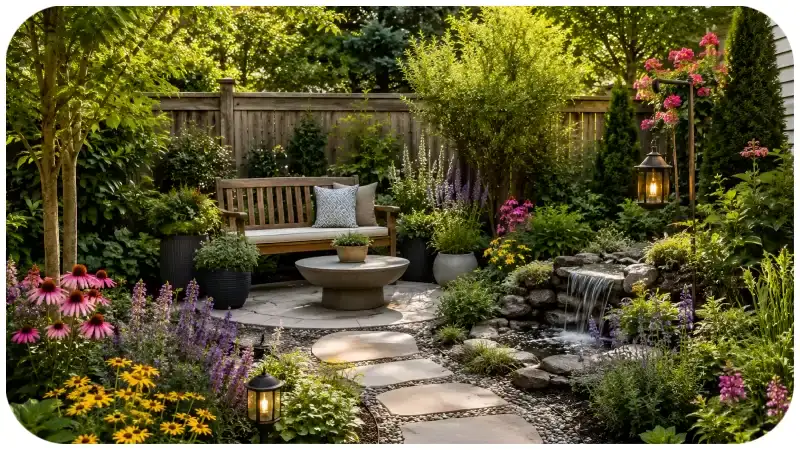
Creating a beautiful garden does not require a huge budget or professional landscaping skills. With the right planning and simple techniques, anyone can transform an ordinary outdoor area into a relaxing and attractive space. Many homeowners look for practical guidance that delivers real results without unnecessary complexity.
One of the best resources for inspiration is decoradhouse garden tips by decoratoradvice, which focuses on easy, effective methods for improving outdoor spaces. Whether you have a small backyard, a large lawn, or a compact patio garden, these ideas can help you create a stunning environment. The popularity of decoradhouse garden tips by decoratoradvice comes from its focus on practical solutions that work for everyday homeowners.
Why Garden Design Matters
A well-designed garden does more than improve curb appeal. It creates a peaceful place where you can relax, entertain guests, and connect with nature. A thoughtfully planned garden can also increase property value and make your home more enjoyable.
Good garden design focuses on:
- Functionality
- Visual balance
- Plant health
- Easy maintenance
- Seasonal interest
When these elements work together, your garden becomes both beautiful and practical.
How to Plan Your Garden Effectively with DecoraDHouse Garden Tips by DecoratorAdvice
Before buying plants or decorations, create a simple garden plan. This step prevents costly mistakes and helps you achieve a cohesive look.
Start by evaluating:
- Sunlight exposure
- Soil condition
- Available space
- Drainage
- Climate
Sketch your garden layout and identify areas for flowers, shrubs, pathways, seating, and decorative elements. Planning ahead helps ensure every feature serves a purpose.
Choose a Garden Style
Select a style that complements your home. Popular options include:
- Modern minimalist gardens
- Cottage gardens
- Tropical gardens
- Mediterranean gardens
- Formal gardens
Consistency in design creates a more polished appearance.
Plant Selection Made Simple with DecoraDHouse Garden Tips by DecoratorAdvice
Choosing the right plants is one of the most important gardening decisions. For a thriving garden, select plant varieties that match the environmental conditions and soil quality in your region.
Consider:
- Native plants
- Drought-tolerant species
- Low-maintenance shrubs
- Seasonal flowers
- Evergreen plants
Because native plants have evolved in the local climate, they generally thrive with less water, fertilizer, and maintenance.
Mix Different Plant Heights
Arranging plants at different heights adds depth, texture, and visual appeal to your garden landscape.
A simple approach:
- Tall plants in the back
- Medium plants in the middle
- Ground covers in the front
This arrangement allows every plant to be visible and contributes to a balanced landscape.
Improve Soil Quality
Healthy soil is the foundation of a successful garden.
Ways to improve soil include:
- Adding compost
- Using organic mulch
- Testing soil pH
- Incorporating natural fertilizers
Rich soil helps plants develop stronger roots and produce healthier growth.
Benefits of Mulching
Mulch offers several advantages:
- Retains moisture
- Suppresses weeds
- Regulates soil temperature
- Improves appearance
Organic mulch gradually breaks down and enriches the soil over time.
Create Attractive Garden Pathways
Garden pathways add structure and guide visitors through your landscape.
Popular pathway materials include:
- Gravel
- Natural stone
- Brick
- Concrete pavers
- Wood chips
Choose materials that match the overall design of your garden.
A well-placed pathway can also reduce soil compaction by keeping foot traffic away from plant beds.
Add Outdoor Seating Areas
A garden should be enjoyed, not just admired.
Consider adding:
- Benches
- Patio furniture
- Pergolas
- Swing chairs
- Outdoor dining sets
Position seating where you can enjoy attractive views, shade, or blooming flowers.
A simple seating corner can make your outdoor space feel more comfortable, welcoming, and useful.
Use Garden Lighting Effectively
Garden lighting enhances the beauty of your outdoor space and makes it usable during the evening.
Effective lighting options include:
- Solar path lights
- String lights
- Spotlights
- Lanterns
- LED garden fixtures
Focus on illuminating key features such as pathways, flower beds, and seating areas.
Lighting also improves safety and enhances the overall atmosphere.
Incorporate Water Features
Water features bring movement and tranquility to a garden.
Popular choices include:
- Birdbaths
- Small fountains
- Garden ponds
- Waterfalls
The sound of flowing water can create a calming environment while attracting birds and beneficial wildlife.
Select a water feature that complements both the dimensions and overall design of your garden.
Maintain a Healthy Lawn
A lush lawn provides an attractive backdrop for flowers and garden features.
Basic lawn care includes:
- Regular mowing
- Deep watering
- Seasonal fertilization
- Weed control
- Aeration
Avoid cutting grass too short, as this can weaken root systems and encourage weed growth.
Consistency is the key to a healthy lawn.
Add Seasonal Color
Gardens remain attractive year-round when they include plants with different bloom times.
Consider:
Spring
- Tulips
- Daffodils
- Hyacinths
Summer
- Roses
- Coneflowers
- Petunias
Fall
- Chrysanthemums
- Asters
Winter
- Evergreens
- Holly
- Ornamental grasses
Combining plants that bloom in different seasons helps maintain color and visual interest in your garden all year long.
Attract Pollinators
Bees, butterflies, and other pollinators contribute significantly to plant growth and overall garden success.
To attract them:
- Plant nectar-rich flowers
- Provide water sources
- Avoid excessive pesticide use
- Include native species
Butterflies, bees, and hummingbirds contribute to a balanced garden environment by assisting with pollination and plant growth.
Keep Garden Maintenance Simple
A beautiful garden should not become a full-time job.
Reduce maintenance by:
- Installing drip irrigation
- Using mulch
- Choosing low-maintenance plants
- Organizing plants according to their moisture needs helps reduce water waste and makes maintenance easier.
Smart planning saves time while keeping the garden looking attractive.
Common Gardening Mistakes to Avoid
Many homeowners make avoidable mistakes that limit garden success.
Watch out for:
- Overwatering
- Poor plant spacing
- Ignoring sunlight requirements
- Neglecting soil health
- Planting invasive species
Learning from these mistakes can improve both plant health and the overall appearance of the garden.
Conclusion
Creating a beautiful outdoor space does not have to be complicated. By focusing on proper planning, healthy soil, smart plant selection, and simple maintenance practices, you can build a garden that remains attractive throughout the year. The practical ideas shared through decoradhouse garden tips by decoratoradvice provide homeowners with easy and effective ways to transform any outdoor area into a relaxing and visually appealing retreat.
For more information, visit our site daily.